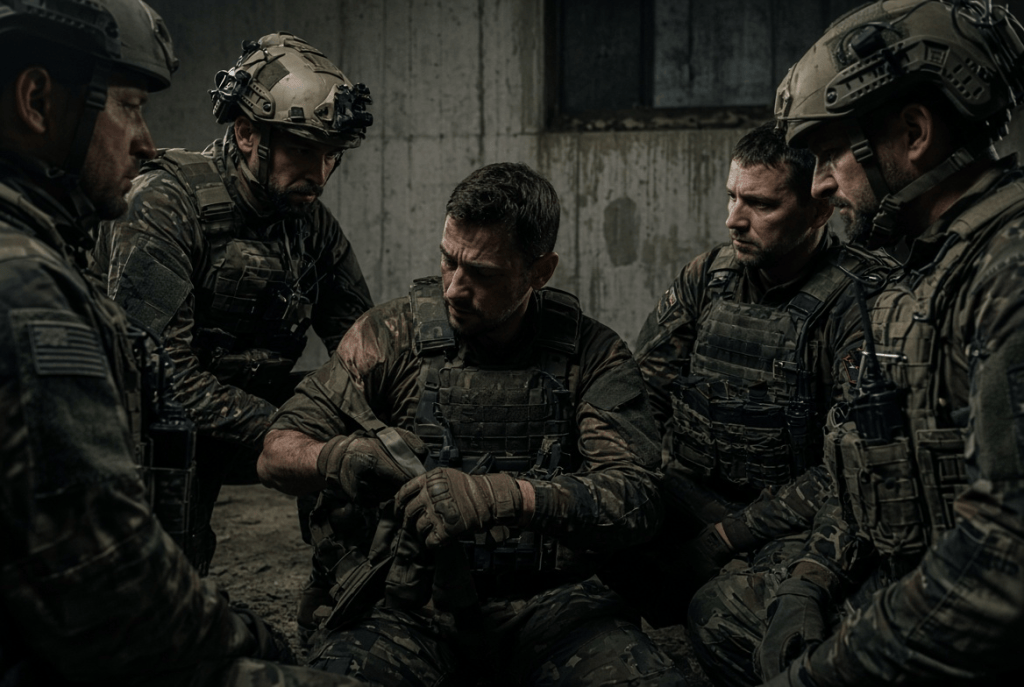
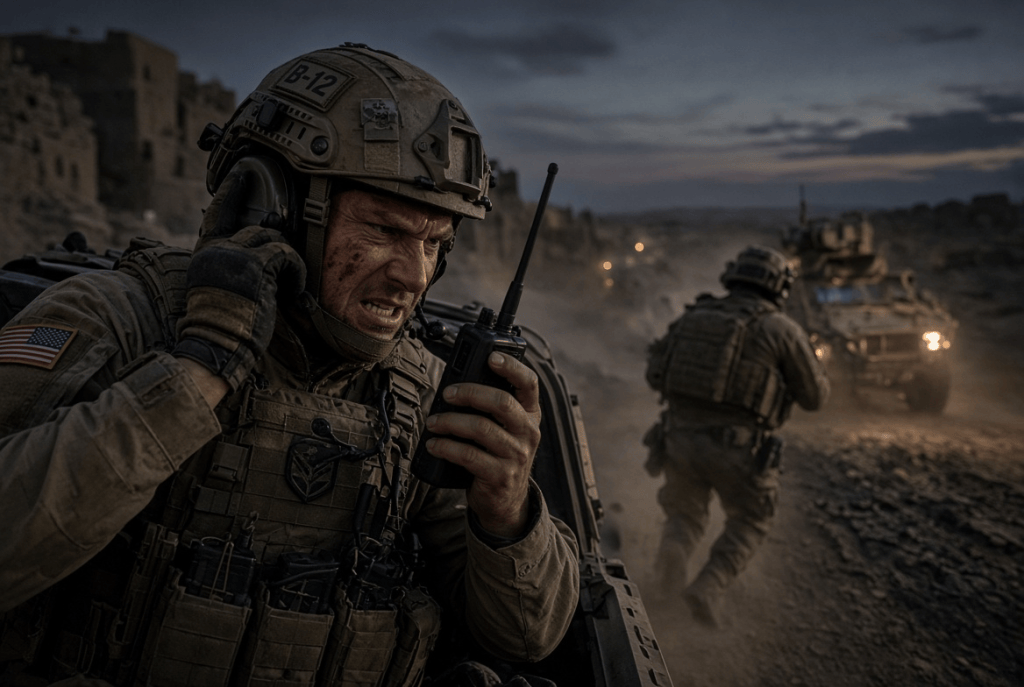
The after report shone with glory. Truth is that was half of the story. The residue that we quietly suffer, Gives me indigestion by supper.
It's the mistaken habits of fear That we allow to slip out of gear That grate on us until we have it out. Then we know, and it removes every doubt.
There are so many good things left undone. It's the proverbs about looking back. There is yet a holocaust soon to come, If the world doesn't fade to black.
Clearing heads by rolling too fast, Times like these were never meant to last. The coms grow spotty with things they say, At least, if it doesn't go the right way.
The checkered flags come down on yesterday. The things we needed to learn fade away. Until we become who we were meant to be, This ole world has a lot for us to see.
There are so many good things left undone. It's the proverbs about looking back. There is yet a holocaust soon to come, If the world doesn't fade to black.
Shots downrange should stay there. There's little for remorse or fear. Not everything happens as intended. We get by through who we've befriended.
However much this world is demanding, It's all good if it leaves us standing. Not every decision will reach a bullseye. It's important to know the do or die.
There are so many good things left undone. It's the proverbs about looking back. There is yet a holocaust soon to come, If the world doesn't fade to black.
(c) October 26, 2026 Michael Doyle All Rights Reserved
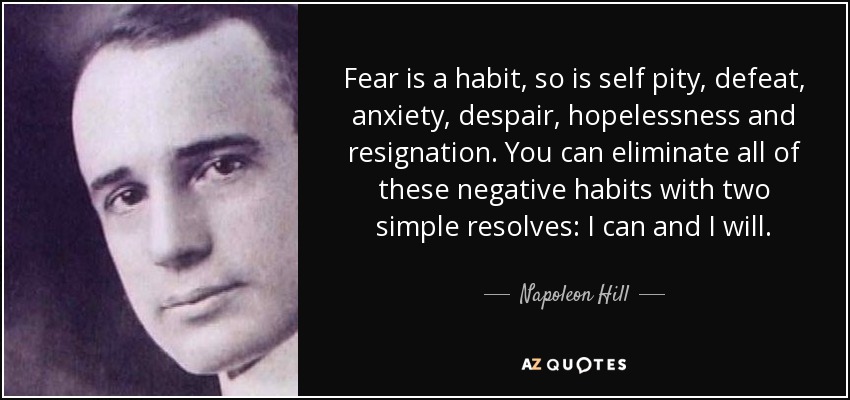
“Fear is a habit, so is self pity, defeat, anxiety, despair, hopelessness and resignation. You can eliminate all of these negative habits with two simple resolves: I can and I will. – Napoleon Hill
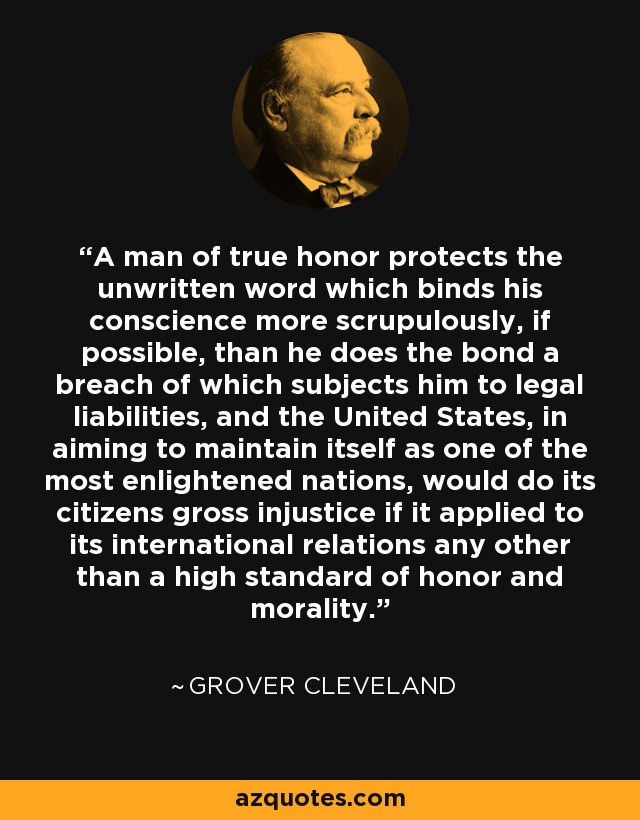
“A man of true honor protects the unwritten word which binds his conscience more scrupulously, if possible, than he does the bond a breach of which subjects him to legal liabilities, and the United States, in aiming to maintain itself as one of the most enlightened nations, would do its citizens gross injustice if it applied to its international relations any other than a high standard of honor and morality.” – Grover Cleveland
President Cleveland loved the gig so much, he came back for another round. This quote fits the kind of men I use as examples in life; my word is my bond. If we agree and I promise you something, only death or impossibility will stop me from fulfilling that promise.
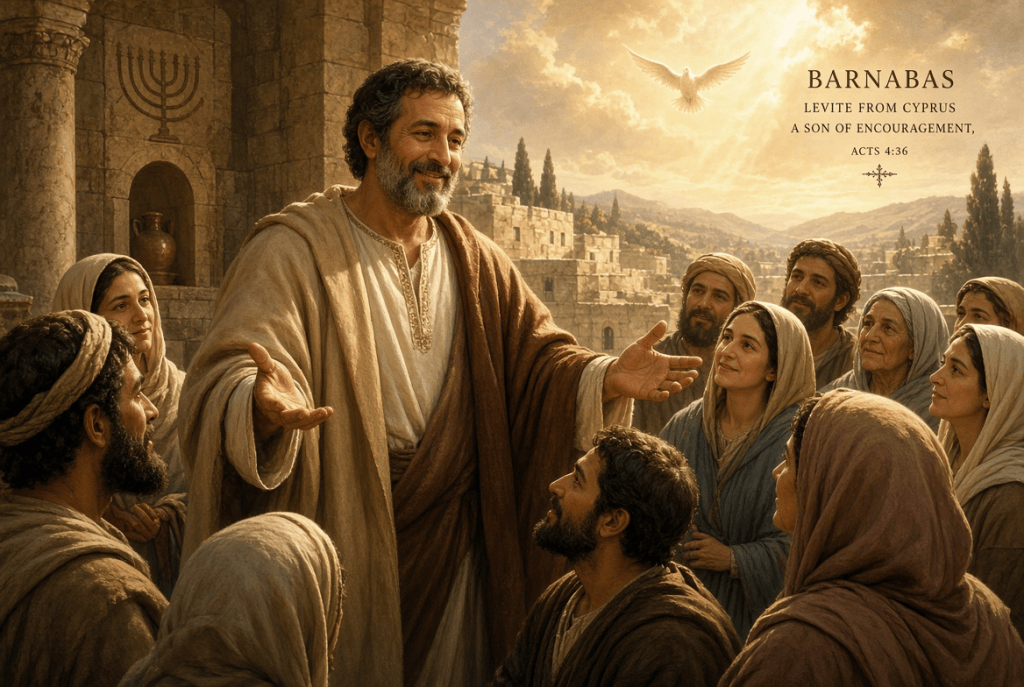
The Good Encouragement of Barnabas
by Michael Doyle

The preacher's voice is heard to encourage,
Urging his congregation to have courage.
He does his best to urge the godly along,
While God's love envelopes us like the sweetest song.

Barnabas, the Son of Encouragement
Lived pulling people out of discouragement.
Raised as Joseph on Cyprus Island,
Barnabas gave hope to a desperate land.

Filling the life of the church with generosity,
He gave nearly all to all with curiosity.
In him, God's love was given and tangible.
Barnabas fulfilled this role as he was capable.

From fact to faith, he gave away his property.
Replacing fear with hope in spiritual prosperity.
Trustworthy in all that he was called on.
His acts instilled the confidence to carry on.

Filled with faith, what he did was good.
He was trusted for all the reasons understood.
His fellow believers knew that they could depend
On his competent character as a leader and friend.

Where God tells us all to go.
A man like Barnabas was sure to show.
This was the path the community would grow on.
Through Barnabas, God's ways would flow.

Encouragers will see the best in one another,
Treating others as if they were a sister or a brother.
Though experiences come along to openly test,
Barnabas and others choose to see the best.

Words of encouragement spark motivation.
The fullness of acts lift up others in open declaration
That belief can be held in the ability
For all that can be done with holy capability.

When a little darkness openly falls,
Encouragement is God's light come to call.
Whether discouragement comes from others or the mirror,
We are loved; to believe otherwise is error.

The Holy Spirit's voice openly shatters
With truth, the lies of Satan that don't matter.
An encourager's voice needs to be heard,
Whatever and despite whatever wounds have occurred.

(c) October 25, 2026   Michael Doyle
All Rights Reserved
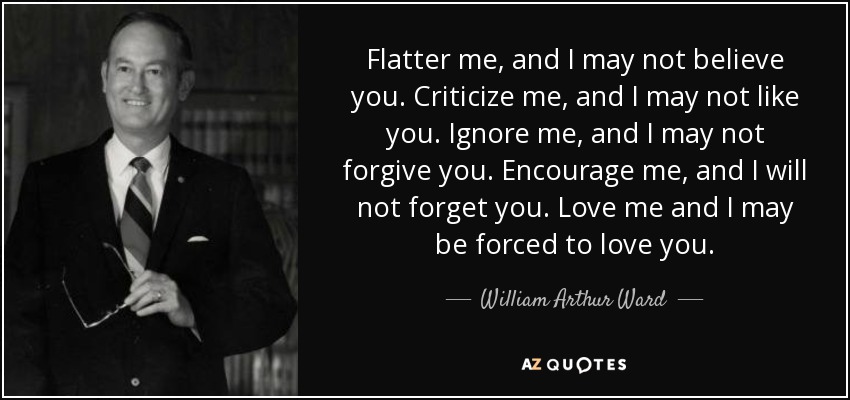
“Flatter me, and I may not believe you. Criticize me, and I may not like you. Ignore me, and I may not forgive you. Encourage me, and I will not forget you. Love me and I may be forced to love you.” – Chester Arthur Ward
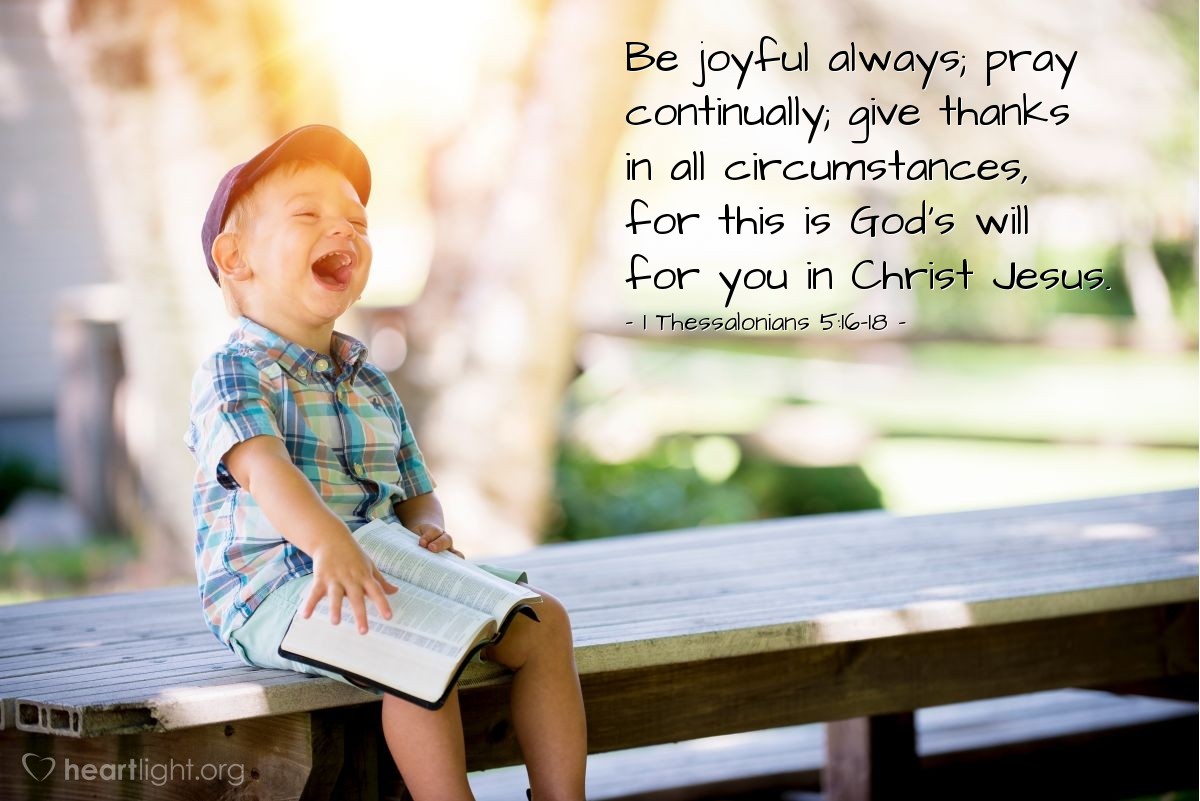
“Make sure that nobody pays back wrong for wrong, but always strive to do what is good for each other and for everyone else. Rejoice always, pray continually, give thanks in all circumstances; for this is God’s will for you in Christ Jesus.” – 1 Thessalonians 5:15-18 NIV
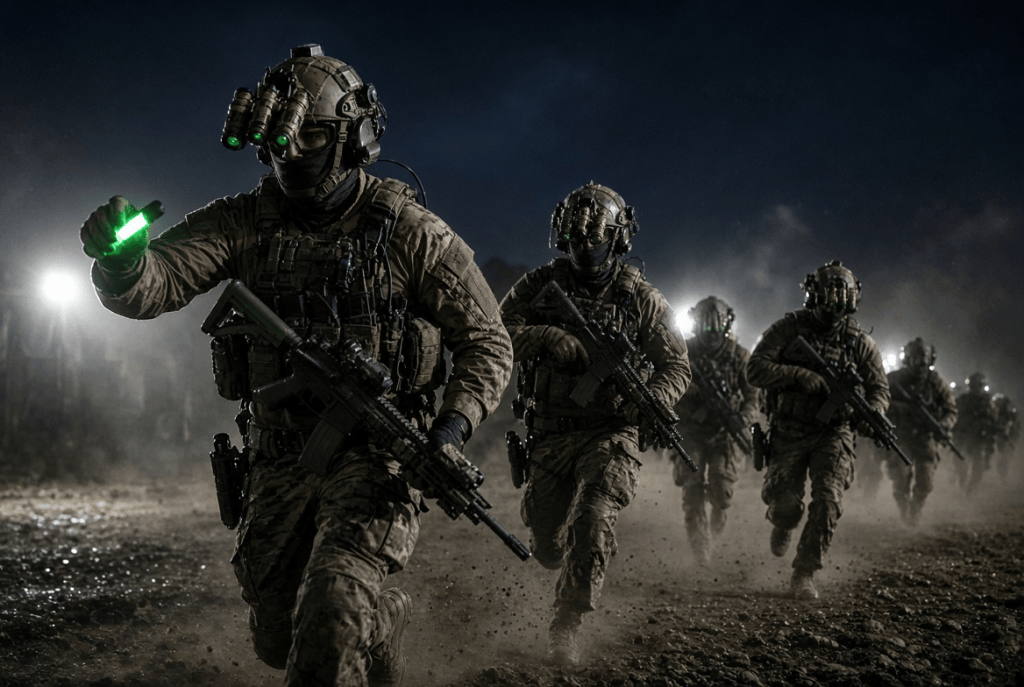
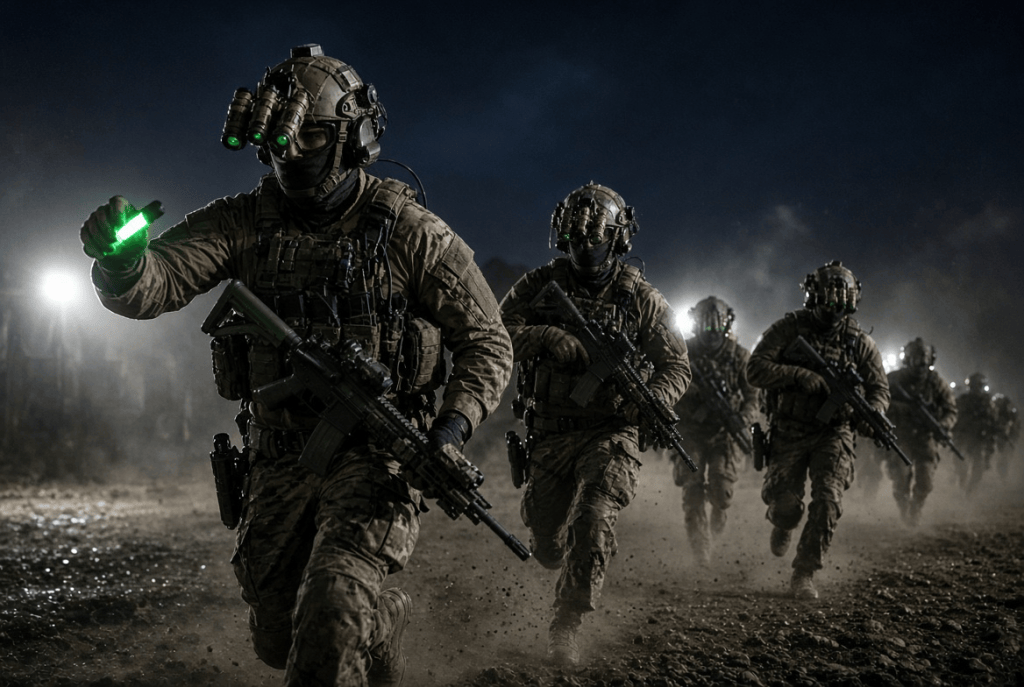
Ceaselessly, we run death's drill, Hoping to catch a little thrill. The executive of this exercise Leaves the terrorist none too wise.
We drilled hoping for the green light, Knowing the expert's grace into the night. We stressed to be the best we can. The winner gets bragging rights for his wingman.
It's the team effort that gains victory. It's been that way through history. We let it sink in to keep us humble As we separate through the rough and tumble.
How we got here depends on our inspiration. How we stay here is 90% perspiration. The best, they say, have some kind of holy lock. It's the sharpest of all who know how to rock.
We go the extra mile to close in on the win. Yet we know full well, we'll be at it again. It feels like all the yesterdays come crashing in. The conversation of war never seems to end.
It's the team effort that gains victory. It's been that way through history. We let it sink in to keep us humble As we separate through the rough and tumble.
This life is best slowed without hurry. It's a dance of parts sorted without worry. At least on the surface to be seen. But in the end, we're all human beings.
Hidden emotions are an old dusty road. There are so many stories that never get told. Who's to say if that's the bad or the good. The ops go on, and that's understood.
It's the team effort that gains victory. It's been that way through history. We let it sink in to keep us humble As we separate through the rough and tumble.
God forgives the things going bump in the night. We can only pray to get things right. As we wander through places we don't belong. Our best hope is to keep the coffee strong.
We trust in ourselves; we trust in each other. Every man on the team is our living brother. Who is to say who there is that is expendable. All we can hope is we all prove dependable.
It's the team effort that gains victory. It's been that way through history. We let it sink in to keep us humble As we separate through the rough and tumble.
(c) October 24, 2026 Michael Doyle All Rights Reserved
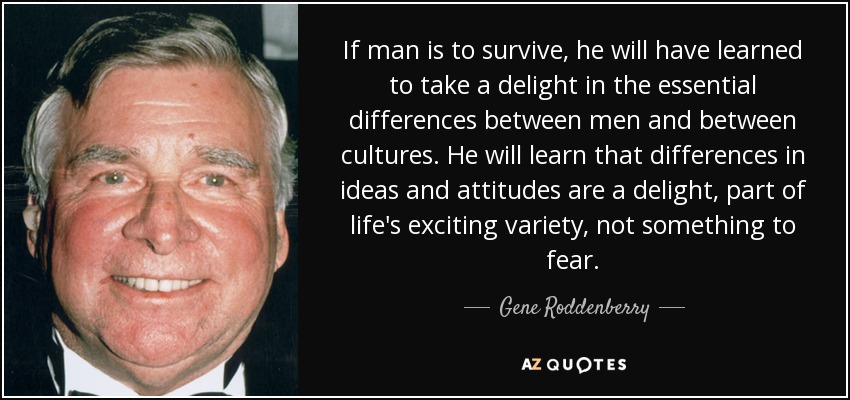
“If man is to survive, he will have learned to take a delight in the essential differences between men and between cultures. He will learn that differences in ideas and attitudes are a delight, part of life’s exciting variety, not something to fear.” – Gene Roddenberry
And now the Left very unkindly seeks to make all of mankind one set of ideas and attitudes and dares to call itself “woke.” Sleepwalking while drinking Kool-Aid doesn’t count as awake. Celebrating the differences does.
“If religious books are not widely circulated among the masses in this country, I do not know what is going to become of us as a nation. If truth be not diffused, then error will be. If God and His Word are not known and received, the devil and his works will gain the ascendency. If the evangelical volume does not reach every hamlet, the pages of a corrupt and licentious literature will. If the power of the gospel is not felt throughout the length and breadth of this land, anarchy and misrule, degradation and misery, corruption and darkness will reign without mitigation or end.” – Daniel Webster
“Success is no accident. It is hard work, perseverance, learning, studying, sacrifice, and most of all, love of what you are doing or learning to do.” – Pele
Heading out of Australia to escape this Aussie winter. First stop Japan, then UK/Ireland and if work doesn't call me back, onto Chicago. I will make it up as I go along